
Low amniotic fluid levels plays a vital role in a healthy pregnancy. It cushions the baby, allows free movement, supports lung development, and helps maintain a stable temperature inside the uterus. During routine ultrasound scans, doctors often measure the Amniotic Fluid Index (AFI) to ensure the fluid level is within a normal range.
When the amount of amniotic fluid is lower than expected, the condition is called low amniotic fluid or oligohydramnios. Hearing this diagnosis can be stressful, but with proper monitoring and timely treatment, many pregnancies still have positive outcomes.
This article explains what low amniotic fluid means, the normal AFI range, causes, symptoms, and treatment options, in clear and simple language.
What Is Amniotic Fluid?
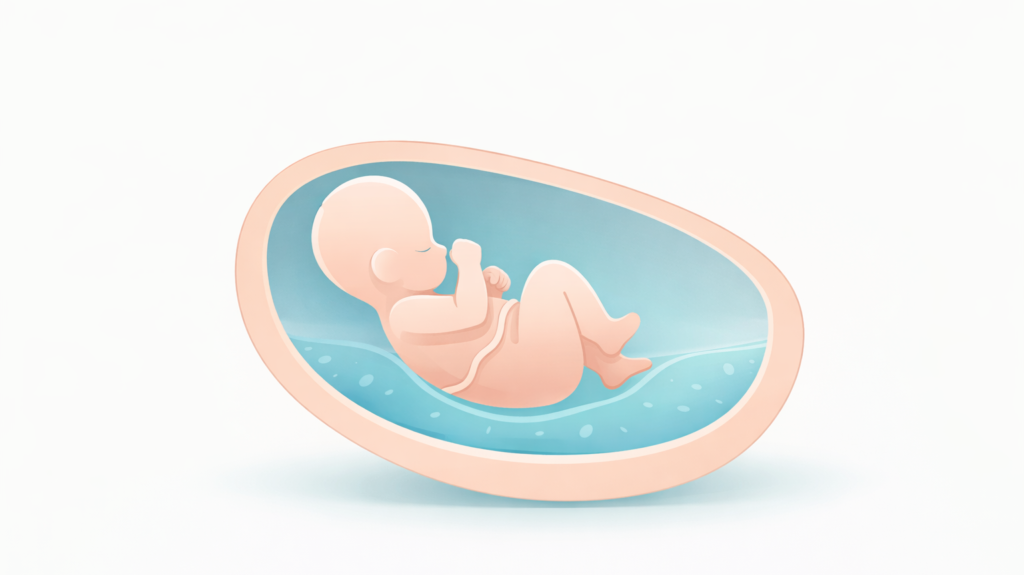
Amniotic fluid is the clear liquid that surrounds the baby inside the amniotic sac. It begins forming early in pregnancy and gradually increases as the baby grows.
Functions of Amniotic Fluid
- Protects the baby from injury
- Allows fetal movement and muscle development
- Supports lung and digestive system development
- Prevents compression of the umbilical cord
- Helps regulate temperature
Adequate amniotic fluid is essential throughout pregnancy, especially in the second and third trimesters.
What Is AFI (Amniotic Fluid Index)?
AFI is a measurement used during ultrasound to estimate the amount of amniotic fluid in the uterus. The uterus is divided into four quadrants, and the deepest fluid pocket in each quadrant is measured. These measurements are added together to calculate the AFI.
AFI helps doctors determine whether the fluid level is normal, low, or high.
Normal AFI Range in Pregnancy
Although values may vary slightly by gestational age and medical guidelines, the commonly accepted AFI ranges are:
- Normal AFI: 8-18 cm
- Borderline AFI: 5-8 cm
- Low AFI (Oligohydramnios): Less than 5 cm
- High AFI (Polyhydramnios): More than 24 cm
An AFI below 5 cm is usually considered low amniotic fluid and requires closer monitoring.
Also Read : Placenta Previa vs Low-Lying Placenta: Key Differences and Treatment
What Does Low Amniotic Fluid Mean?
Low amniotic fluid means there is less fluid than expected for that stage of pregnancy. It can occur at any time but is more common in the third trimester.
Low AFI does not always indicate a serious problem, but it can increase the risk of complications depending on:
- Gestational age
- Severity of fluid reduction
- Baby’s growth and well-being
- Underlying maternal or fetal conditions
Causes of Low Amniotic Fluid Levels
Low amniotic fluid can develop for many reasons. Some of the most common causes include:
1. Dehydration
Maternal dehydration can temporarily reduce amniotic fluid levels, especially in late pregnancy.
2. Placental Problems
If the placenta is not delivering enough blood and nutrients, fluid production may decrease.
3. Rupture or Leakage of Amniotic Sac
Small or large leaks in the amniotic sac can cause fluid levels to drop.
4. Pregnancy Beyond Due Date
Post-term pregnancies (beyond 40 weeks) often have lower amniotic fluid levels.
5. High Blood Pressure or Preeclampsia
These conditions can affect placental blood flow.
6. Certain Medications
Some blood pressure or pain medications may reduce fluid levels.
7. Fetal Kidney or Urinary Tract Issues
Because the baby contributes to amniotic fluid production, kidney problems can affect fluid volume.
Symptoms of Low Amniotic Fluid
Low amniotic fluid often causes no noticeable symptoms, which is why routine ultrasounds are important. However, some women may experience:
- Smaller-than-expected belly size
- Reduced fetal movements
- Leaking fluid from the vagina
- Abnormal ultrasound findings
Any sudden decrease in baby movements should be reported to a healthcare provider immediately.
How Is Low Amniotic Fluid Diagnosed?
Low amniotic fluid is diagnosed through ultrasound examination. Doctors may also use additional tests such as:
- Non-stress test (NST)
- Biophysical profile (BPP)
- Doppler ultrasound to assess blood flow
These tests help evaluate the baby’s condition and guide treatment decisions.
Risks Associated With Low Amniotic Fluid
The risks depend on how early in pregnancy the condition occurs and how severe it is.
Possible Risks Include:
- Umbilical cord compression
- Restricted fetal growth
- Preterm birth
- Increased need for induction or cesarean delivery
- Fetal distress during labor
Mild or borderline low AFI near term often has good outcomes with monitoring.
Also Read :Placenta Grade 3 During Pregnancy: Risks, Symptoms, and Delivery Options
Treatment Options for Low Amniotic Fluid
Treatment depends on the cause, gestational age, and severity of fluid reduction.
1. Increased Hydration
Drinking more fluids can sometimes increase AFI, especially in mild cases.
2. Rest and Activity Modification
Reducing physical strain and resting on the left side may improve blood flow to the uterus.
3. Treating Underlying Conditions
Managing high blood pressure, diabetes, or infections can help stabilize fluid levels.
4. Close Monitoring
Frequent ultrasounds and fetal monitoring ensure the baby remains healthy.
5. Amnioinfusion (During Labor)
In some cases, fluid may be added during labor to reduce complications.
6. Delivery Planning
If the pregnancy is near term and risks increase, doctors may recommend induction or cesarean delivery.
Can Low Amniotic Fluid Increase With Treatment?
Yes, in many cases-especially mild or borderline AFI-fluid levels can improve with:
- Adequate hydration
- Rest
- Medical management
However, if low AFI is caused by placental insufficiency or fetal conditions, the focus shifts to monitoring and timely delivery.
Can You Have a Normal Delivery With Low AFI?
In many cases, yes.
If:
- AFI is mildly reduced
- Baby’s growth and heart rate are normal
- No other complications are present
Vaginal delivery may be possible. The delivery plan is individualized based on overall risk.
When Should You Seek Immediate Medical Care?
Contact your healthcare provider right away if you experience:
- Sudden decrease in baby movements
- Vaginal leaking of fluid
- Vaginal bleeding
- Strong abdominal pain or contractions
These symptoms may require urgent evaluation.
Does low AFI always require early delivery?
No. Delivery timing depends on gestational age and fetal well-being.
Can low amniotic fluid resolve on its own?
Yes, especially if caused by dehydration or temporary factors.

