
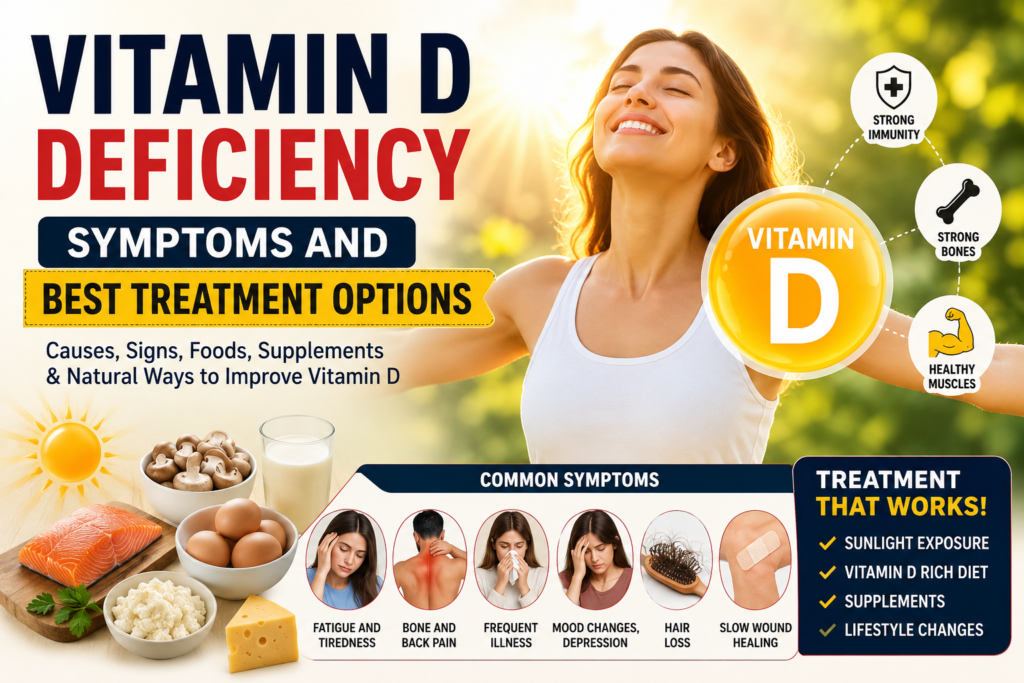
Vitamin D is one of the most important nutrients for the human body. It plays a major role in maintaining strong bones, supporting the immune system, improving muscle function, and helping the body absorb calcium properly. Despite its importance, millions of people around the world suffer from vitamin D deficiency without even realizing it.
Modern lifestyles, indoor work routines, lack of sunlight exposure, poor dietary habits, and certain medical conditions have made vitamin D deficiency extremely common in both adults and children. In many cases, people ignore the early symptoms because they appear mild at first. However, untreated deficiency can lead to serious health problems over time.
Understanding the symptoms, causes, risks, and treatment options can help prevent long-term complications and improve overall health naturally.
What Is Vitamin D?
Vitamin D is a fat-soluble vitamin that the body mainly produces when the skin is exposed to sunlight. It can also be obtained from certain foods and supplements.
There are two major forms of vitamin D:
- Vitamin D2 (Ergocalciferol)
- Vitamin D3 (Cholecalciferol)
Among these, Vitamin D3 is considered more effective because it raises vitamin D levels in the blood more efficiently.
Vitamin D helps regulate calcium and phosphorus levels in the body, which are essential for healthy bones, teeth, and muscles.
Common Causes of Vitamin D Deficiency
Several factors can increase the risk of vitamin D deficiency.
Lack of Sunlight Exposure
The body naturally produces vitamin D when exposed to sunlight. People who spend most of their time indoors, use excessive sunscreen, or live in areas with limited sunlight are at higher risk.
Poor Diet
A diet lacking vitamin D-rich foods can contribute to deficiency. Strict vegetarians and people with poor nutrition may not get enough vitamin D naturally.
Aging
Older adults have reduced ability to produce vitamin D through the skin. This makes deficiency more common after the age of 50.
Obesity
Vitamin D is stored in body fat. In obese individuals, vitamin D may become trapped in fat tissues, reducing its availability in the bloodstream.
Digestive Disorders
Conditions like Crohn’s disease, celiac disease, and inflammatory bowel disease can affect nutrient absorption, including vitamin D.
Kidney and Liver Problems
The liver and kidneys help activate vitamin D in the body. Diseases affecting these organs may lower vitamin D levels.
Most Common Vitamin D Deficiency Symptoms
Vitamin D deficiency symptoms can vary from mild to severe. Some people may not notice symptoms initially, while others experience significant health problems.
Also Read : 90% लोग ये Health Mistake रोज करते हैं! जानिए और तुरंत सुधारिए
Constant Fatigue and Weakness
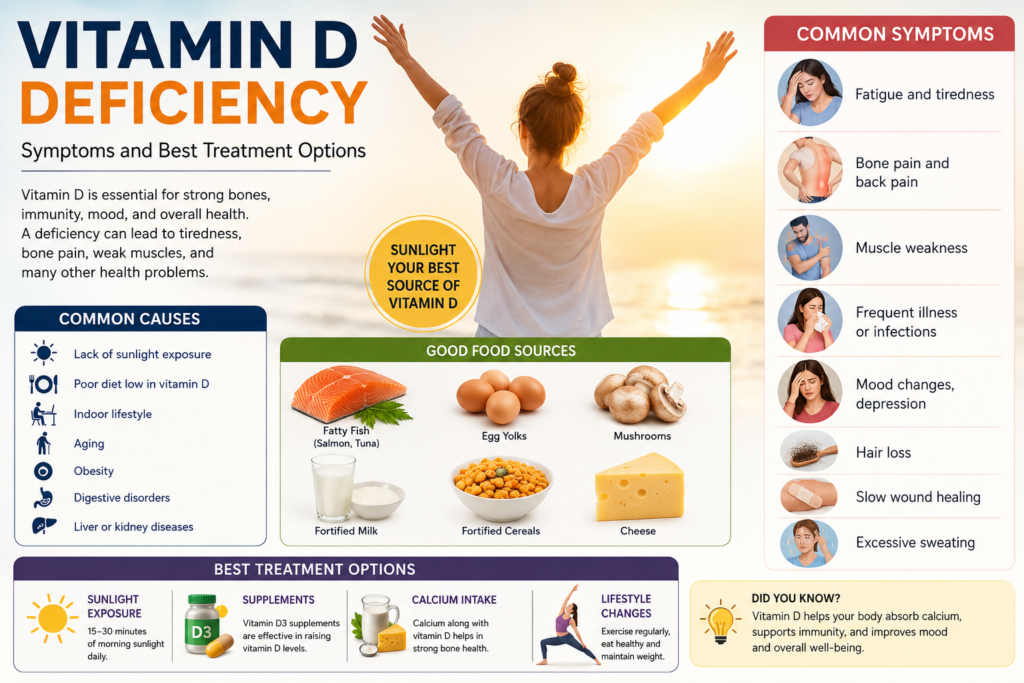
Feeling tired all the time is one of the most common symptoms. Even after proper rest, individuals may feel low on energy and physically weak.
Low vitamin D levels can affect muscle performance and energy production in the body.
Bone Pain and Back Pain
Vitamin D is essential for calcium absorption. Without enough vitamin D, bones may become weak and painful.
Many adults with deficiency complain about:
- Lower back pain
- Joint pain
- Leg pain
- Bone tenderness
Muscle Weakness
Weak muscles can increase the risk of falls and injuries, especially in older adults. Some people experience difficulty climbing stairs or standing for long periods.
Frequent Illness or Infections
Vitamin D supports the immune system. Deficiency may weaken the body’s defense system, causing:
- Frequent colds
- Flu
- Respiratory infections
- Slow recovery from illness
Mood Changes and Depression
Research suggests a strong connection between low vitamin D levels and mood disorders.
People with deficiency may experience:
- Depression
- Anxiety
- Irritability
- Low mood
Seasonal depression is also linked to reduced sunlight exposure during winter months.
Hair Loss
Severe hair loss can sometimes be associated with low vitamin D levels. While many factors contribute to hair fall, deficiency may worsen the condition.
Slow Wound Healing
Vitamin D plays a role in tissue repair and inflammation control. People with deficiency may notice that cuts and wounds heal more slowly.
Excessive Sweating
Head sweating, especially in infants, has long been considered an early sign of vitamin D deficiency.
Who Is at Higher Risk?
Certain groups are more likely to develop vitamin D deficiency.
Pregnant Women
Pregnant women require higher vitamin D levels for proper fetal development and bone health.
Breastfed Infants
Breast milk contains limited vitamin D, making supplementation important in some cases.
Elderly Individuals
Older adults often have limited sun exposure and reduced vitamin D production.
People with Dark Skin
Higher melanin levels reduce the skin’s ability to produce vitamin D from sunlight.
Office Workers
Individuals who spend most of their day indoors may not receive enough sunlight.
Also Read : Oligohydramnios in Pregnancy – Low Amniotic Fluid Explained
How Vitamin D Deficiency Is Diagnosed
The most common test used to diagnose deficiency is the 25-hydroxy vitamin D blood test.
General vitamin D level categories include:
| Vitamin D Level | Status |
|---|---|
| Below 20 ng/mL | Deficient |
| 20–30 ng/mL | Insufficient |
| Above 30 ng/mL | Normal |
A healthcare provider may recommend testing if symptoms or risk factors are present.
Best Treatment Options for Vitamin D Deficiency
Treatment depends on the severity of deficiency and the individual’s overall health condition.
Increase Sunlight Exposure
Natural sunlight is one of the best sources of vitamin D.
Experts often recommend:
- 15–30 minutes of sunlight exposure
- Morning sunlight preferred
- Arms and legs exposed when possible
However, excessive sun exposure should still be avoided to reduce skin damage risk.
Eat Vitamin D-Rich Foods
Certain foods naturally contain vitamin D and can help improve levels gradually.
Best Food Sources
- Fatty fish like salmon and tuna
- Egg yolks
- Cheese
- Mushrooms
- Fortified milk
- Fortified cereals
- Yogurt
Including these foods regularly can support healthy vitamin D levels.
Vitamin D Supplements
Supplements are commonly used when deficiency is moderate or severe.
Vitamin D2 vs Vitamin D3
Vitamin D3 is generally preferred because it raises blood levels more effectively.
Common Supplement Forms
- Tablets
- Capsules
- Drops
- Sachets
Doctors may prescribe:
- Daily doses
- Weekly high-dose therapy
- Monthly maintenance doses
The correct dosage depends on blood test results and medical advice.
Calcium Combination Therapy
Since vitamin D helps calcium absorption, some individuals may also require calcium supplements, especially those with bone weakness or osteoporosis.
Lifestyle Changes
Simple lifestyle modifications can improve vitamin D levels naturally.
Healthy Habits
- Spend more time outdoors
- Exercise regularly
- Maintain healthy body weight
- Improve overall nutrition
- Reduce processed food intake
Can Vitamin D Deficiency Become Dangerous?
Yes, severe untreated deficiency can lead to serious complications.
In Children
- Rickets
- Delayed growth
- Bone deformities
In Adults
- Osteomalacia
- Osteoporosis
- Increased fracture risk
- Muscle weakness
Long-term deficiency may also affect heart health, immunity, and mental well-being.
How Long Does Recovery Take?
Recovery time varies depending on the severity of deficiency.
Mild cases may improve within a few weeks, while severe deficiency can take several months of proper treatment and supplementation.
Regular follow-up blood tests help monitor progress.
Tips to Prevent Vitamin D Deficiency
Preventing deficiency is usually easier than treating it later.
Prevention Tips
- Get regular sunlight exposure
- Eat a balanced diet
- Stay physically active
- Take supplements if recommended
- Monitor vitamin D levels regularly
People at high risk should discuss preventive supplementation with their healthcare provider.
Conclusion
Vitamin D deficiency is extremely common but often overlooked. Symptoms such as fatigue, bone pain, muscle weakness, low mood, and frequent infections may indicate low vitamin D levels. Early diagnosis and proper treatment can significantly improve health and prevent complications.
Combining sunlight exposure, a nutritious diet, healthy lifestyle habits, and appropriate supplementation is usually the most effective approach. Since vitamin D plays a vital role in overall wellness, maintaining healthy levels should be an important part of long-term health care.