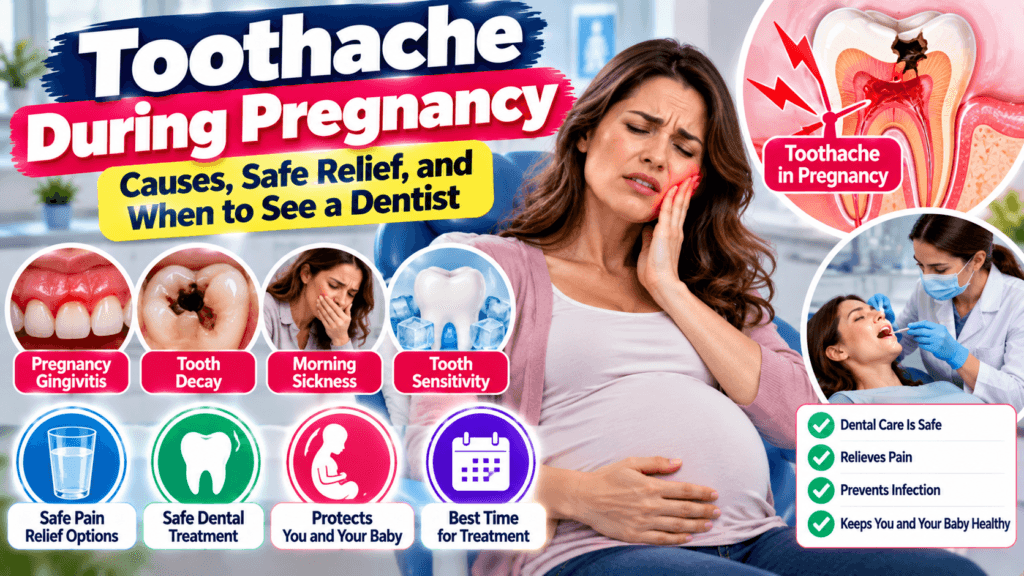
A toothache during pregnancy can feel scary, because every pill, procedure, and home remedy suddenly seems to carry a question mark. You may wonder whether the pain will harm your baby, whether a dentist can safely treat you, and what you can actually take to get through the night. The reassuring part is that tooth pain is common in pregnancy, it is treatable, and major medical groups agree that you should not suffer through it or put off care. This guide explains why a toothache during pregnancy happens, which pain relief options are considered safe, what dental treatment looks like, and which warning signs mean you need help right away.
Why Toothache During Pregnancy Happens
Pregnancy changes your mouth in several ways at once. Rising levels of estrogen and progesterone make your gums more reactive to plaque, which is why many expecting mothers develop pregnancy gingivitis, a condition marked by red, swollen, tender gums that bleed easily when you brush or floss. If that inflammation is ignored, it can progress to deeper gum disease, and gum pain is often mistaken for a toothache. Some women also develop a harmless but bleed-prone gum growth called a pregnancy granuloma, which can be sore when you chew.
Morning sickness adds another layer. Repeated vomiting bathes your teeth in stomach acid, which softens enamel and makes teeth sensitive to hot, cold, and sweet foods. Cravings for sugary snacks, more frequent snacking, and the exhaustion that makes a full brushing routine harder to keep up all raise the risk of cavities. A cavity that reaches the nerve of the tooth causes the sharp, throbbing pain most people describe as a true toothache. An impacted wisdom tooth, a cracked tooth, or an old filling that has failed can cause pain too, and pregnancy does not make those problems go away on their own.
Important: Tooth pain that keeps returning, wakes you at night, or comes with swelling is rarely something that heals without treatment. Pregnancy is not a reason to wait it out.
Common Causes of Tooth Pain While Pregnant
The table below shows the most frequent reasons for tooth pain in pregnancy and what each one usually feels like.
| Cause | What it feels like | Usual next step |
|---|---|---|
| Pregnancy gingivitis | Swollen, tender, bleeding gums | Professional cleaning and better home care |
| Cavity (tooth decay) | Sharp pain with sweets, hot or cold | Filling at the dentist |
| Infected nerve (pulpitis) | Throbbing pain, often worse at night | Root canal or extraction |
| Dental abscess | Severe pain, swelling, pimple on the gum | Urgent dental care, possibly antibiotics |
| Enamel erosion from vomiting | Sensitivity to temperature | Fluoride products, dentist guidance |
| Impacted wisdom tooth | Pain at the back of the jaw | Dental evaluation |
Is Dental Treatment Safe During Pregnancy?
Yes. The American College of Obstetricians and Gynecologists (ACOG) states that prevention, diagnosis, and treatment of oral health problems are safe throughout pregnancy, and that conditions needing prompt attention, such as extractions, root canals, and fillings for untreated decay, can be managed at any time during pregnancy. The American Dental Association (ADA) takes the same position. Untreated infection carries its own risks for both mother and baby, so a dentist who treats the problem is usually protecting your pregnancy, not endangering it.
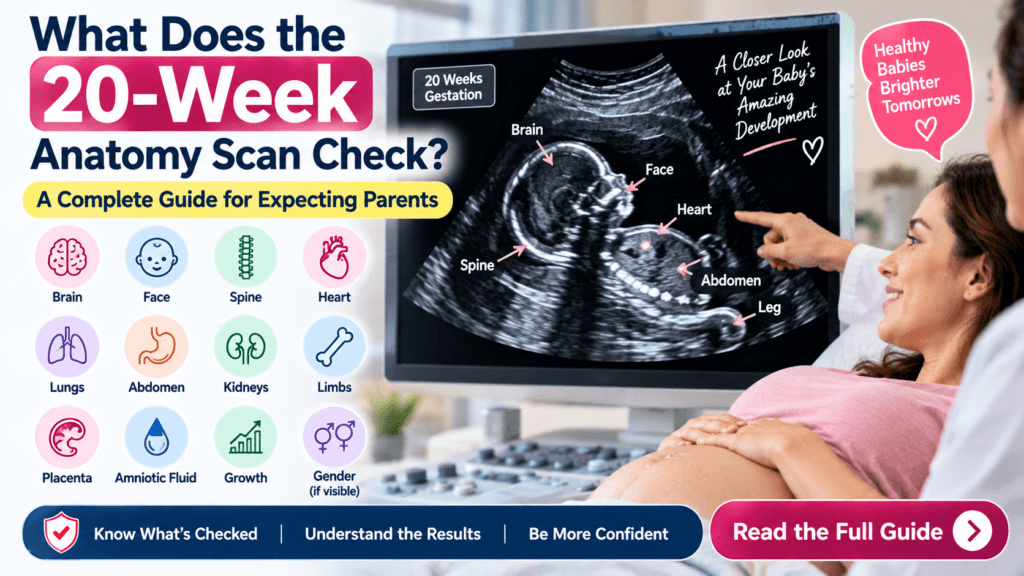
Also Read : What Does the 20-Week Anatomy Scan Check?
Local anesthetics such as lidocaine are considered safe in the amounts used for dental work, and ACOG notes this applies whether or not the anesthetic contains epinephrine. Dental X-rays are also considered safe when needed, because the dose is very low and your abdomen and thyroid are covered with a protective shield. Many dentists prefer to schedule routine, non-urgent work in the second trimester, when you are usually past the worst of morning sickness and can lie back more comfortably. An urgent problem, however, should never be delayed just to wait for a better trimester.
Tip: Tell your dentist that you are pregnant and how many weeks along you are, even if you are not showing yet. Also let your obstetrician know about the problem so both can coordinate care.
Safe Pain Relief for a Toothache During Pregnancy
The most common question is what you can actually take. Acetaminophen (Tylenol) has long been the first-choice pain reliever in pregnancy. In September 2025 the FDA began a process to add cautionary language to acetaminophen labels, citing studies that found an association with neurodevelopmental conditions, but the FDA also said a causal link has not been proven. ACOG and the Society for Maternal-Fetal Medicine have both reaffirmed that acetaminophen remains appropriate and is the safest first-line option when needed, as long as you use the lowest effective dose for the shortest time. Because label wording may change, always read the current package and confirm the dose with your obstetrician or pharmacist.
The situation is different for anti-inflammatory drugs. The FDA advises against NSAIDs such as ibuprofen (Advil, Motrin), naproxen (Aleve), and regular-strength aspirin from about 20 weeks of pregnancy onward unless a health care professional specifically directs it, because they can cause fetal kidney problems and low amniotic fluid. Many providers recommend asking before using them at any stage of pregnancy. Low-dose 81 mg aspirin prescribed by your doctor is a separate matter.
| Option | Pregnancy guidance | Notes |
|---|---|---|
| Acetaminophen | Generally the first-line choice | Lowest effective dose, shortest time, confirm dose with your doctor |
| Ibuprofen, naproxen, aspirin | FDA advises avoiding from about 20 weeks | Ask your doctor before using at any stage |
| Benzocaine gels, clove oil | Ask first | Check with your dentist or obstetrician before use |
| Prescription painkillers | Only if your doctor prescribes | Never combine with extra acetaminophen without asking |
If the cause is infection, pain relievers only mask the problem. A dentist may prescribe an antibiotic, and penicillins such as amoxicillin and cephalosporins such as cephalexin are commonly used in pregnancy. For patients allergic to penicillin, options like clindamycin or erythromycin base are often chosen. Tetracycline antibiotics are the group that should be avoided during pregnancy. Never take leftover antibiotics from an old prescription.
Also Read : How to Increase Baby Weight During Pregnancy Naturally | Diet, Foods & Tips
Home Remedies to Ease a Toothache Until You See the Dentist
Home care can take the edge off while you wait for your appointment, but it does not cure the cause. A warm saltwater rinse, made with about half a teaspoon of salt in a cup of warm water, can calm irritated gums and help clean the area. Swish gently and spit, and repeat a few times a day. A cold compress held against the outside of your cheek for 15 to 20 minutes can reduce swelling and dull throbbing pain. Sleeping with your head slightly raised on an extra pillow often eases the pressure that makes nighttime pain worse.
Soft, lukewarm foods are easier on a sensitive tooth than very hot, cold, or sugary choices. Brush gently with a soft brush and fluoride toothpaste, and floss around the sore area carefully rather than skipping it. If you have just vomited, rinse your mouth with water mixed with a little baking soda and wait about 30 minutes before brushing, because brushing right away can scrub acid into softened enamel. Be cautious with strong remedies such as clove oil or numbing gels, and ask your dentist or obstetrician before using them.
Important: Home remedies are a bridge, not a fix. Book a dental visit as soon as you can, ideally within a day or two of the pain starting.
Warning Signs That Need Urgent Care
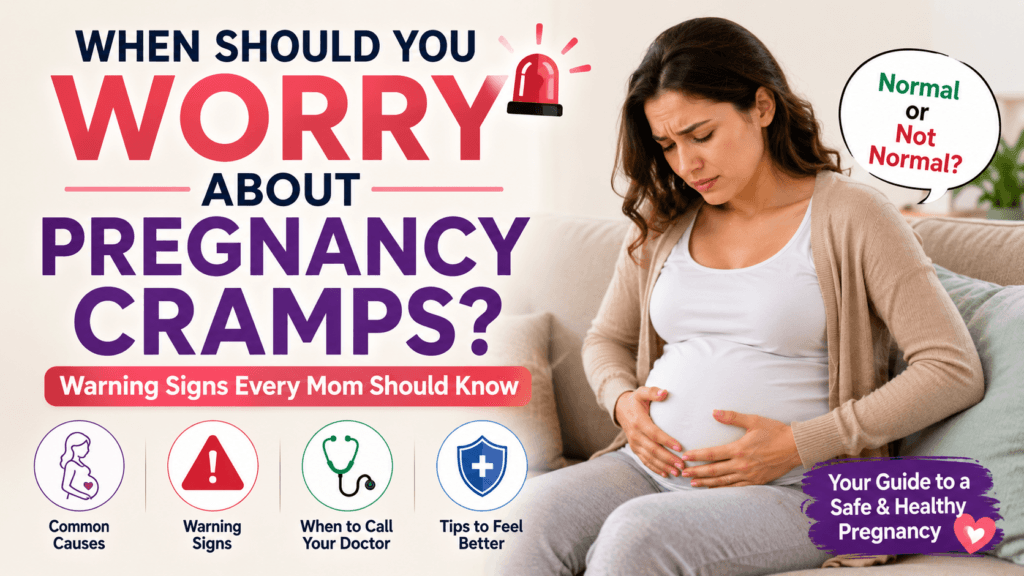
Some symptoms suggest a spreading infection and should be treated as an emergency. Seek same-day dental or medical care if you have facial or jaw swelling, a fever, a bad taste or pus draining into your mouth, pain that is severe and constant, or a tooth that hurts to touch with a swollen gum beside it. Go to an emergency room if swelling affects your breathing or swallowing, if you cannot open your mouth normally, or if swelling is spreading toward your eye or neck. A fever during pregnancy should always be reported to your care team.
Best Timing for Dental Care by Trimester
| Trimester | What to know |
|---|---|
| First | Nausea is at its peak. Urgent problems are treated, routine work can often wait. |
| Second | Often the most comfortable window for cleanings, fillings, and planned treatment. |
| Third | Urgent care is still safe. Your dentist may tilt the chair or place a pillow under your right hip so you are not lying flat on your back. |
How to Prevent a Toothache During Pregnancy
The best strategy is to see a dentist early in your pregnancy, or even before conceiving, so existing cavities and gum problems are handled before they flare. Brush twice a day with fluoride toothpaste, clean between your teeth daily, and keep up with regular cleanings, since pregnancy raises the chance of gum inflammation. Some research has linked untreated gum disease with a higher risk of preterm birth and low birth weight, although that connection is still being studied, which is one more reason to keep gums healthy.
Limit sugary snacks and drinks, and reach for water, cheese, plain yogurt, and crunchy vegetables between meals. If morning sickness is a problem, rinse with water afterward and delay brushing. Eating balanced meals with enough calcium supports both your teeth and your baby’s development. If you ever feel too sick to brush, even a thorough rinse and a clean with a soft cloth is better than nothing.
Can a toothache harm my baby?
The pain itself does not harm your baby, but the underlying cause can matter. An untreated infection such as an abscess can spread and cause serious illness, so prompt treatment protects both of you.
What can I take for a toothache while pregnant?
Acetaminophen is generally the first-line choice at the lowest effective dose for the shortest time, with your doctor’s guidance. Avoid ibuprofen, naproxen, and aspirin from about 20 weeks unless your provider tells you otherwise.
Can I get a filling or root canal while pregnant?
Yes. ACOG says fillings, root canals, and extractions for urgent problems can be performed at any time during pregnancy.
Are dental X-rays safe while pregnant?
Dental X-rays are considered safe when they are needed, because the radiation dose is very low and a protective shield is used.
This article is for educational and informational purposes only and is not a substitute for professional medical advice, diagnosis, or treatment. Always consult a qualified healthcare professional for advice about your individual health.